Finland’s endangered Saimaa ringed seal
Finland’s endangered Saimaa ringed seal population ticks up to nearly 550
An estimated 116 pups were born, a couple more than in 2025. Saimaa ringed seals are one of the rarest and most endangered seals in the world.
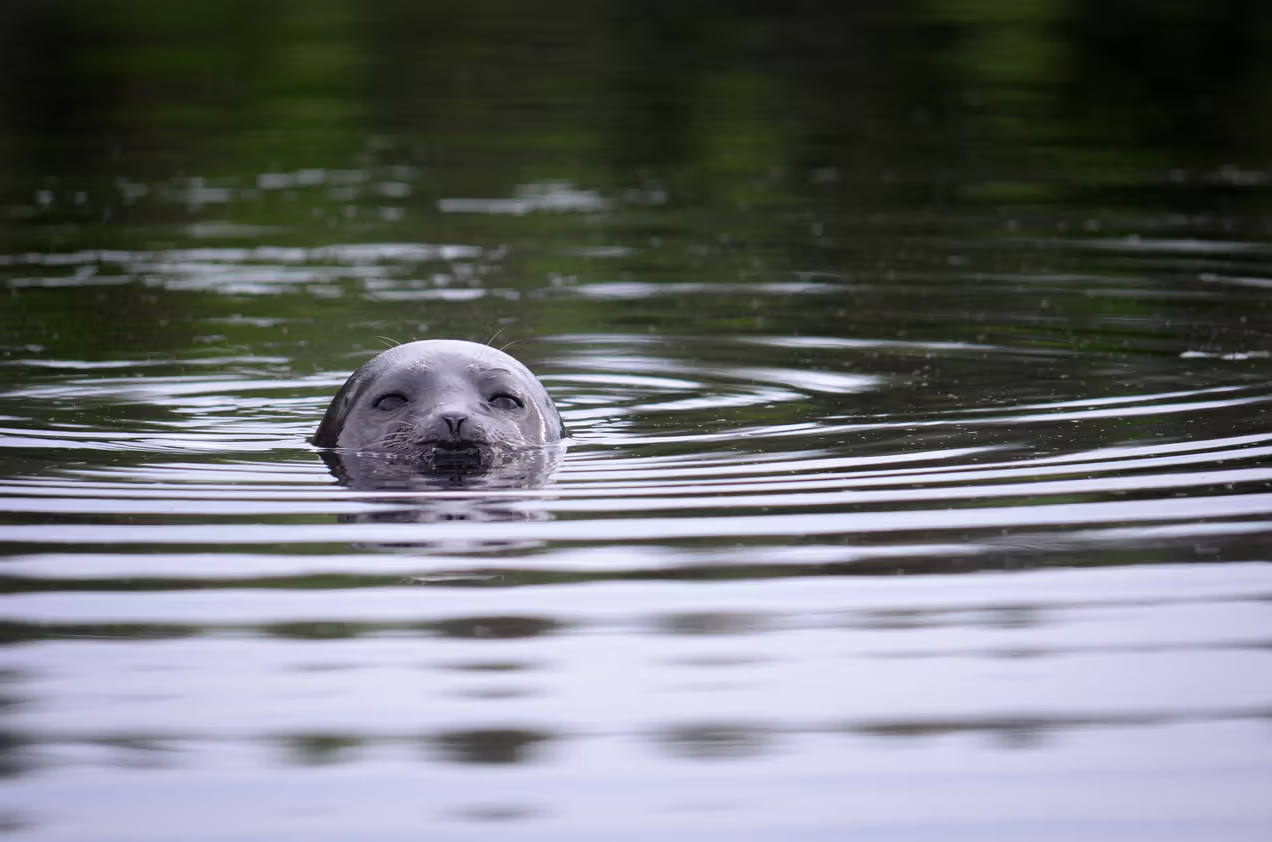
Populations of Finland’s highly endangered Saimaa ringed seals grew slightly this year, according to estimates by Metsähallitus.
The state-owned natural resource management outfit said there are around 545 of the seals, reflecting an increase of 15 individuals over last year. The animals are one of the rarest and most endangered seals in the world.
An estimated 116 pups were born, a couple more than in 2025. This year, as many as 90 percent of observed pups were born in snow banks and artificial nests created in efforts to boost their numbers. An estimated 13 percent of the newborn pups died in their nests.
Nest mortality was likely even higher, as low snow cover levels left many pups without shelter — which protects them against predators, among other things — soon after birth.
The Saimaa seal population’s recovery has been hampered by poor breeding conditions and deaths from fishing nets.
The population estimate is based on the number and location of nests detected during nest counts, along with pup numbers. As winters grow milder, experts have had to adopt new methods.
Last winter’s nest counts no longer involved systematically surveying shorelines. Instead, experts mainly inspected artificial snow banks and nests.
The seals’ population has grown steadily since the 2010s, something WWF Finland programme director Petteri Tolvanen credits to extensive and varied conservation efforts.
“Although the result is good given last winter’s conditions, it’s largely a consequence of conservation measures such as artificial snow banks and fishing restrictions. We cannot assume the Saimaa seal’s future is secure without active conservation and action against climate change,” Tolvanen said.
The endangered seals can now be found swimming in nearly every part of Lake Saimaa.
Source: Yle

