
Alvar Aalto

Hugo Alvar Henrik Aalto (1898–1976) was a Finnish modernist architect and industrial designer. Aalto was one of the first and most influential architects of the modern movement in Scandinavia. He was a member of the CIAM (Congrès Internationaux d’Architecture Moderne).
Important works from Alvar Aalto
Important works are the Finlandia-hall in Helsinki, the town hall in Säynätsalo and the main building of the Technological University in Helsinki, whose legal successor has borne Aalto’s name since 2010. Most of his buildings are located in various places in Finland, but many of his designs have also been realized outside of Finland, including in Germany and the United States.
In addition, he was known for his designs for furniture and glassware. The Aalto Vase (1936) is world-famous; it is based on a series of sketches he called Eskimoerindens skinnbyxa (the leather trousers of an Eskimo woman). They were created following a design competition organized by the Karhula-Iittala glass factories. This firm subsequently began producing the vase as well.
The furniture of Aalto and his wife Aino was sold by the firm Artek, of which they were co-founders in 1935 and which continued to exist after Aalto’s death.
Aalto’s simple lines were an inspiration to fellow professionals, including the Danish designer Grete Jalk. Aalto’s designs can also be found in Ikea products: for instance, Aalto’s stool No. E60 (with 4 legs instead of 3), made after 1933, forms the basis of Ikea’s Frosta.
In 2026, Aalto’s Architectural Works became a UNESCO World Heritage Site.
[ Read More ]
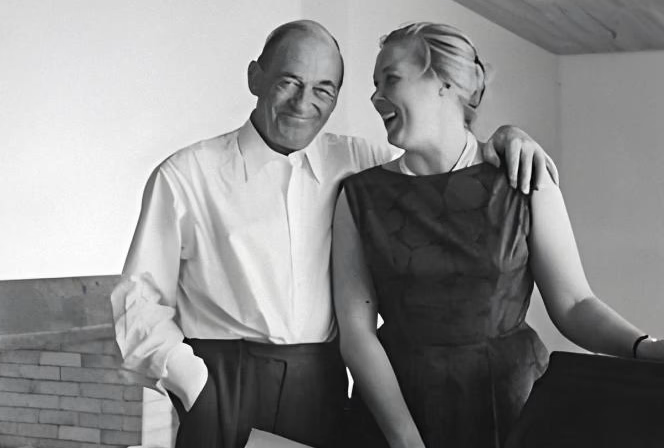
Alvar and Elissa Aalto
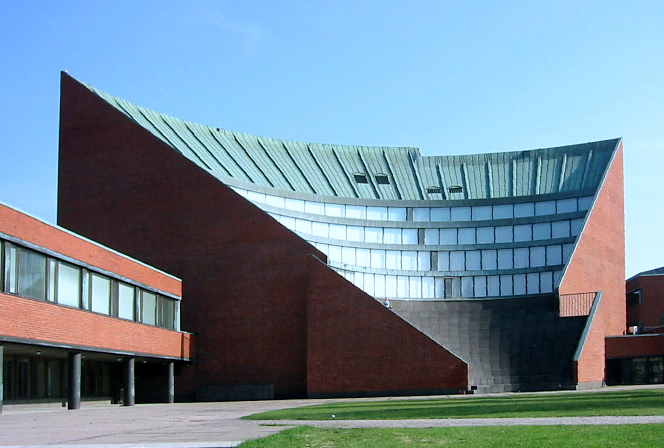
Helsinki University of Technology auditorium

Alvar Aalto vase
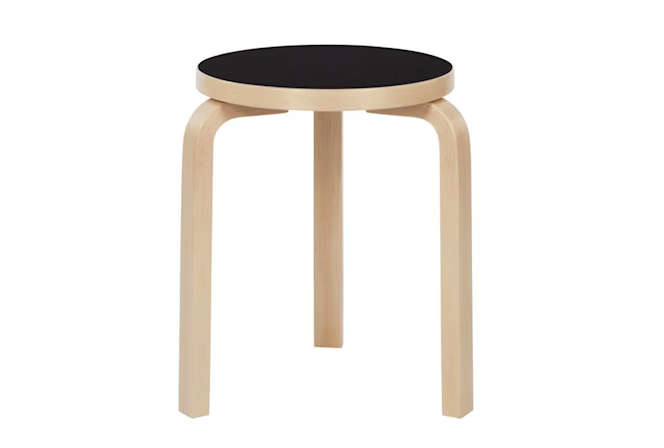
Alvar Aalto stool model 60

Alvar Aalto Serving Trolley
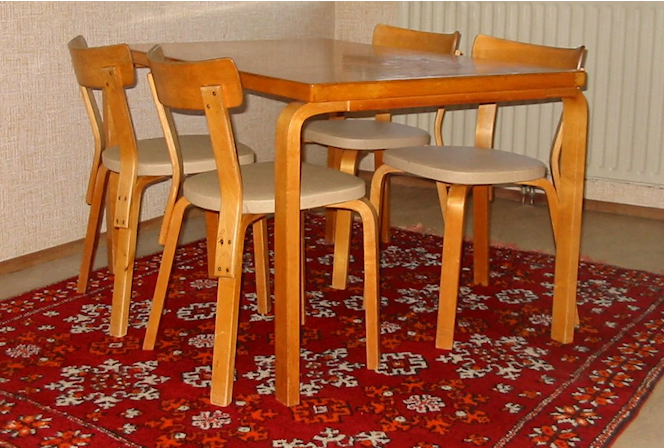
Alvar Aalto table and chairs

